Carrying the Name Forward: Welcoming Cator Sparks to the Frazer Center Board
July 01, 2026
Carrying the Name Forward: Welcoming Cator Sparks to the Frazer Center Board
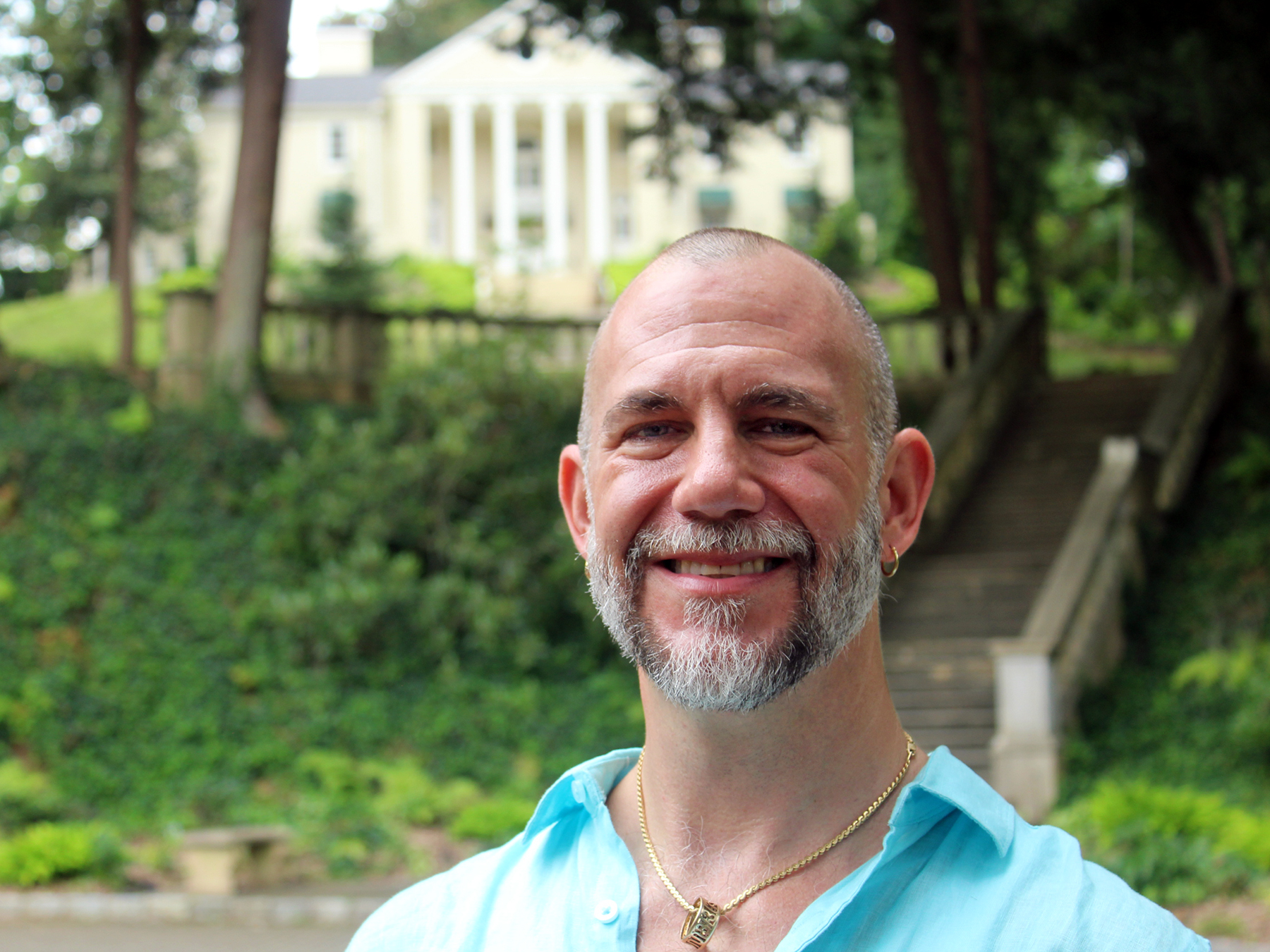
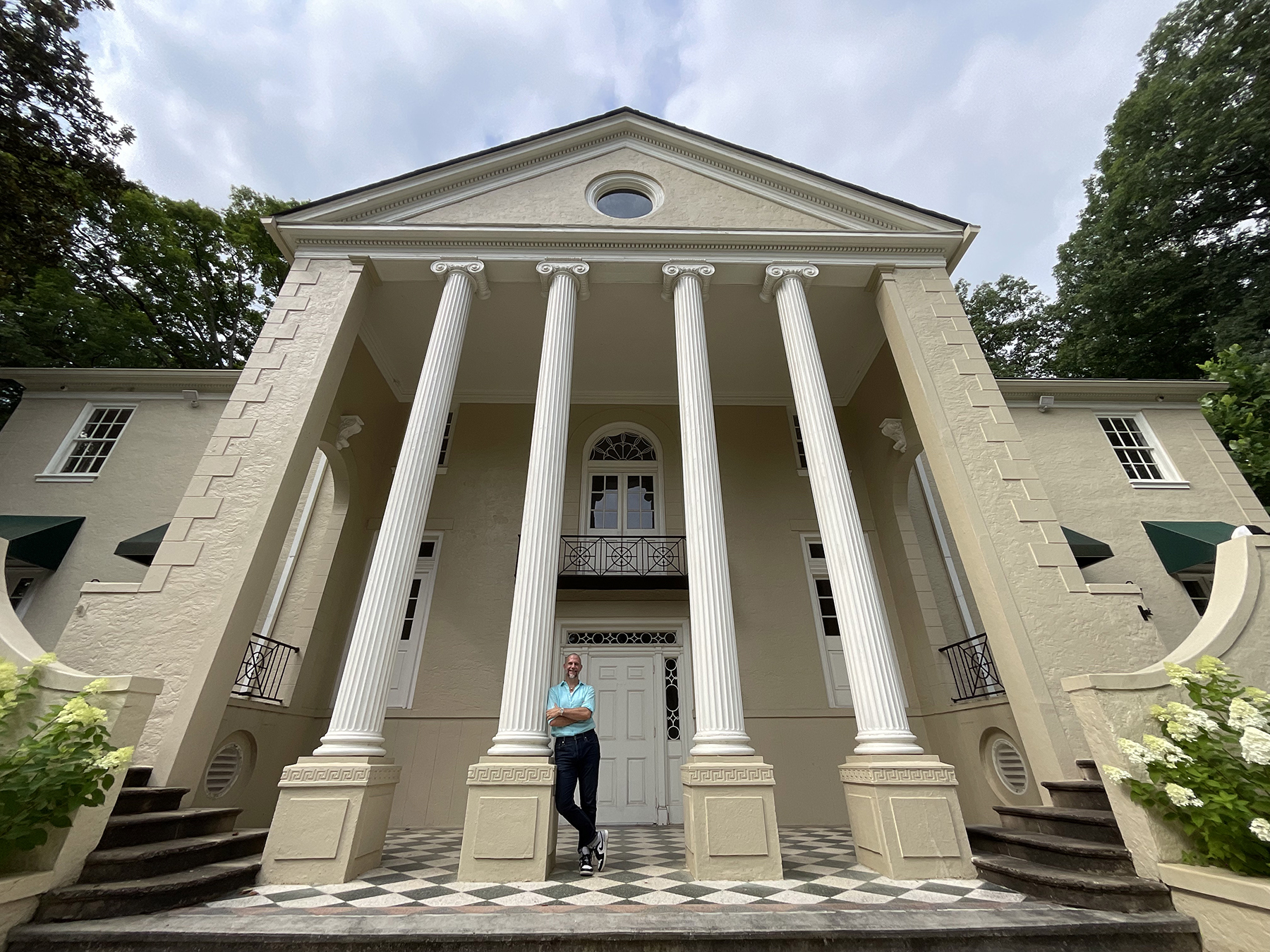
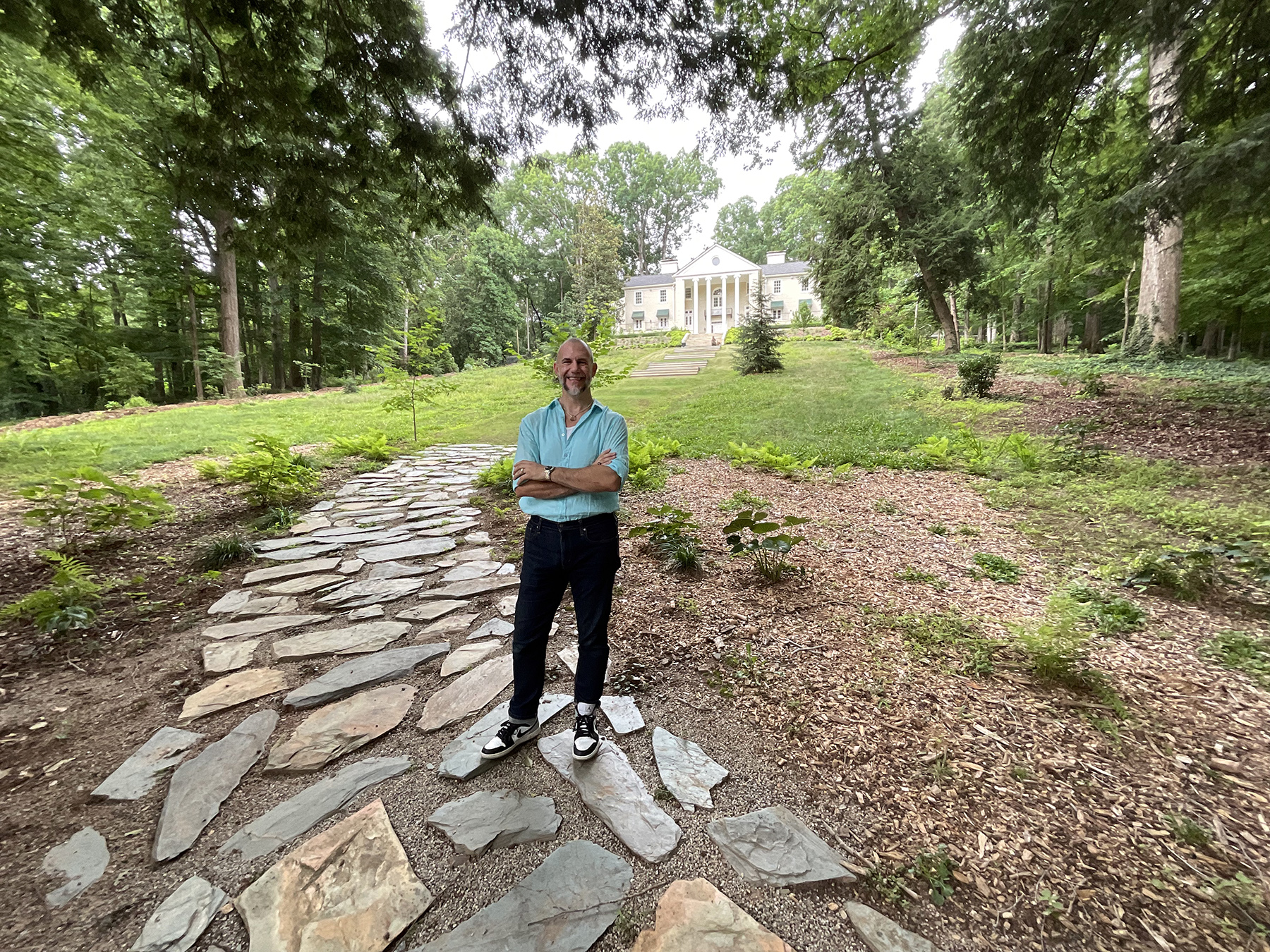
If you’ve ever walked or driven up our long driveway past the entrance to Cator Woolford Gardens, you’ve likely seen the estate house sitting atop a sloping meadow. Beyond it sits a smaller home, tucked just behind the main house.
This outbuilding was once known as the “dollhouse.” It was built in the 1930s by Cator Woolford for his two daughters, Charlotte and Isabelle.
Many years later, Charlotte would visit the property with her grandson, Cator Sparks. He remembers fondly hearing stories about his grandmother’s childhood, how she and his great-aunt loved playing in the dollhouse and on the grounds. He also remembers hearing about the man he was named after.
“I would hear whispers of his name when I was little,” Sparks says. “His portrait was in our house. I revered him, but as a child I didn’t really understand who he was.”
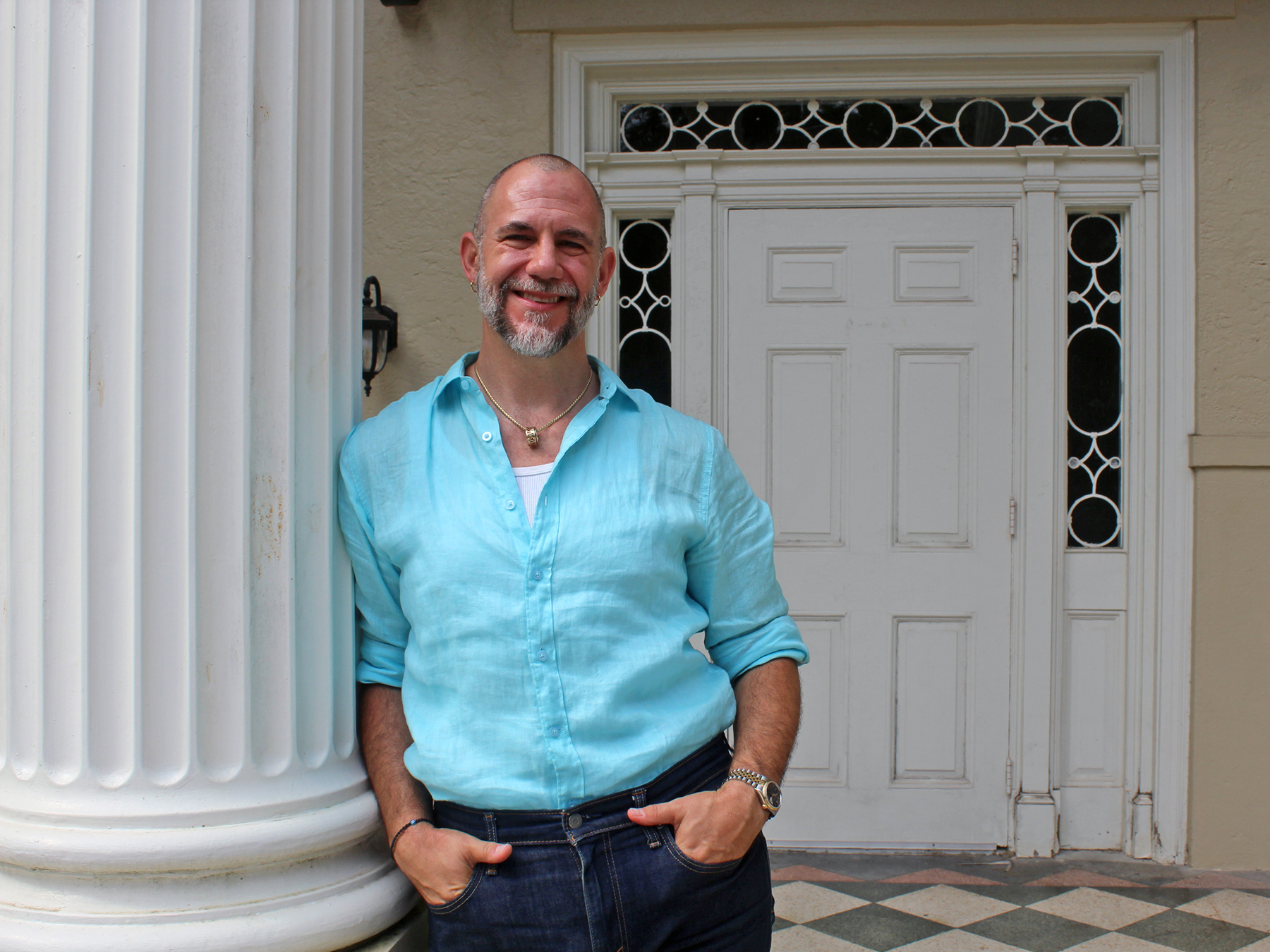
This summer, Sparks joins the Frazer Center Board of Directors, stepping into a role that brings his family’s story into the present.
A Life Shaped by Connection
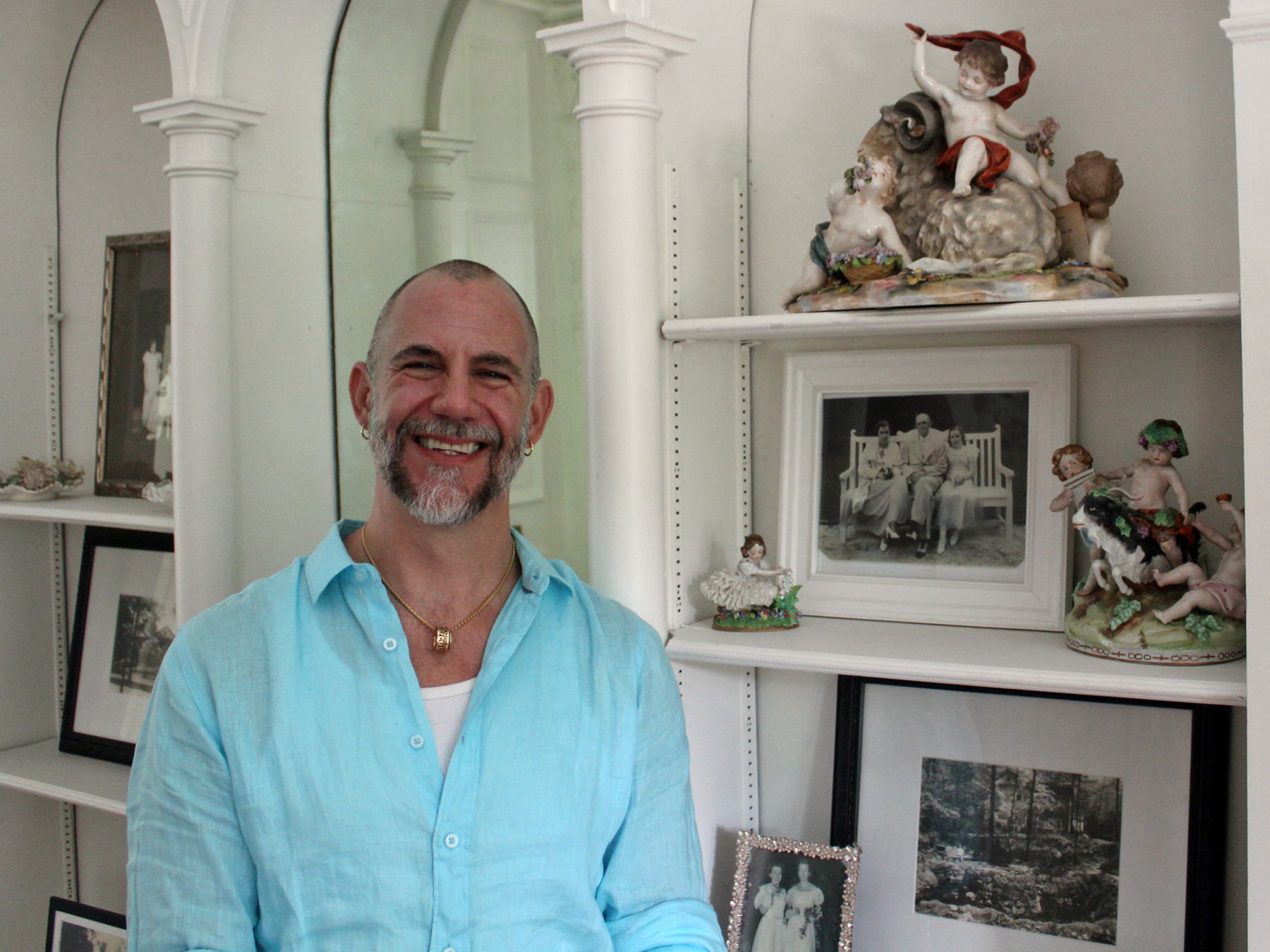
Sparks is based in Atlanta, where he works as a life coach primarily serving men. His work centers on helping men reconnect with their bodies through breathwork, somatic practices, and honest conversation.
Much of his focus is on gay men, a community he’s part of and understands firsthand. “Gay men don’t always have spaces to open up the way we need to,” he says. “A lot of my work is helping people get out of their heads and into their bodies.”
Sparks leads retreats and describes himself as “kind of a sherpa for many of my clients, which is quite an honor, to walk alongside them.”
Before returning to Atlanta in 2024, Sparks spent years building a career in New York and Charleston. He left Atlanta in 1999 with the team behind Jeffrey—the iconic fashion boutique that expanded into New York’s Meatpacking District. He later worked as a publicist, writer, and editor covering fashion, travel, and design.
“For someone who was bullied as a child, to be in New York and working for The New York Times, to go to these amazing galas and meet all these incredible people was a dream come true.”
After more than a decade in Charleston, the pull of a larger, more connected city brought him back home.
“Atlanta felt like the right in-between,” he says. “I missed the diversity. I missed the queer community. And the city just keeps getting better.”
Finding His Way Back
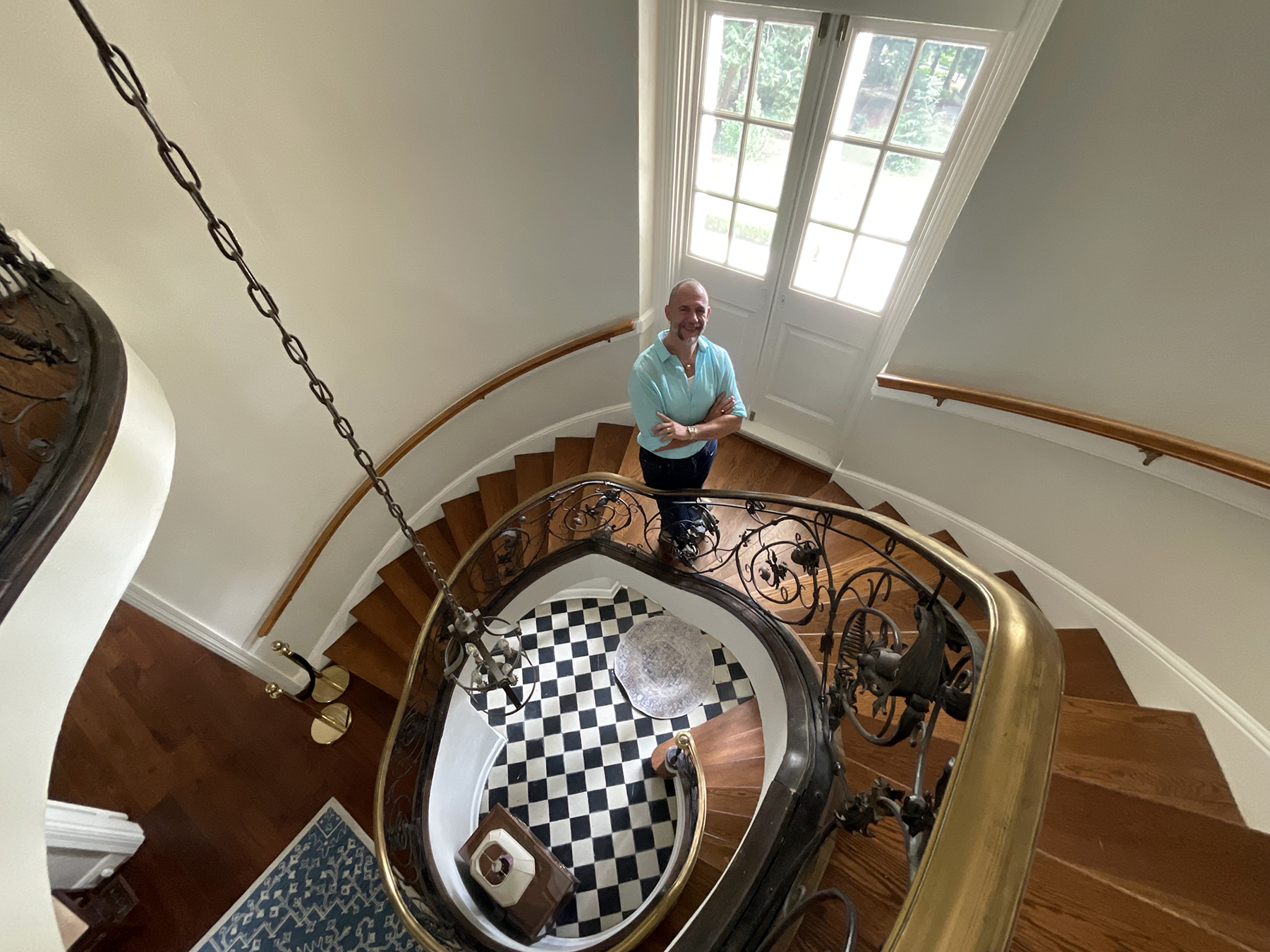
Returning to Atlanta also meant returning to the Gardens.
Sparks had stayed loosely connected over the years—through Frazer Center’s newsletters, occasional donations, and visits when he was in town. But his relationship with the space deepened after he became friends with Cooper Sanchez, whose transformational work in the Gardens drew him back more regularly.
He also began attending events and galas, along with his family and friends.
“It was really special to see the Gardens come to life the way I had always imagined them in the 1920s and 30s, when my great-grandfather lived here,” he says. “People dressed up, listening to jazz, connecting and cocktailing. It was just so special.”
Those experiences reframed the property. A family legacy became a shared space again.
“I’ve always loved the Frazer Center and the Gardens,” he says. “Being back in Atlanta, this felt like the place where I wanted to invest my time.”
A Legacy, Reconsidered
Understanding that pull meant going deeper into his family’s history.
Cator Woolford built the home and gardens in the 1920s. For much of Sparks’ early life, his great-grandfather was a kind of legend—an admired figure whose story was passed down in fragments.
That changed over time as his grandmother Charlotte shared scrapbooks, photographs, and stories from her past.
“She and my great-aunt were pivotal in my life,” Sparks says. “They told stories about traveling, about art, about my great-grandfather. That’s where I started to piece things together.”
Woolford was a businessman, known in part for developing modern credit reporting and the company that would become Equifax. He was also deeply involved in civic life in Georgia, supporting initiatives tied to public health, education, and the arts. His work intersected with figures such as Franklin D. Roosevelt, particularly at Warm Springs and in efforts to support people with disabilities.
“He believed in giving back,” Sparks says. “If you were fortunate, you had a responsibility to do something with that.”
At the same time, the life inside the house was not without its complications. There was beauty and abundance—gardens, staff, carefully designed spaces—but also distance. Woolford and his wife divorced when their daughters were still very young. He traveled frequently, she remarried, and their daughters' lives were shaped by separation.
“It wasn’t a traditional family,” Sparks says. “There was a lot that was idyllic, but also a sense that money doesn’t necessarily create connection.”
That duality has stayed with him, and it shows up in how he’s stepping into his role on the Frazer Center board.
“Being named after him, I feel a responsibility to carry that forward,” he says. “Not in the same way, but in a way that’s meaningful now.”
He is clear about what he brings to the role.
“I’m not here to balance the books. I’m here as a creative. I want to help bring more attention to the Gardens and the house so people understand what’s here. This is a place I’ve loved for a long time,” he adds. “It felt like the right moment to step in and be part of it in a more active way.”
Looking Ahead
Sparks talks about the future of the Gardens with appreciation and curiosity.
“There’s already been so much care put into this place. Now it’s about how we build on that,” he says, with more opportunities for neighbors and visitors to spend time in the Gardens, and more reasons to return.
“This house has the capacity to host something meaningful on a larger scale,” he says. “Not in a way that’s loud or disruptive, but in a way that’s thoughtful. Conversations, partnerships, bringing people together.”
At the core of that vision is a belief that the property can hold both roles at once: a neighborhood refuge and a place of broader connection.
“This is a city with an international presence,” he says. “And my great-grandfather played a part in shaping that. There’s an opportunity to build on it in a way that still feels true to the space.”
A Place That Endures
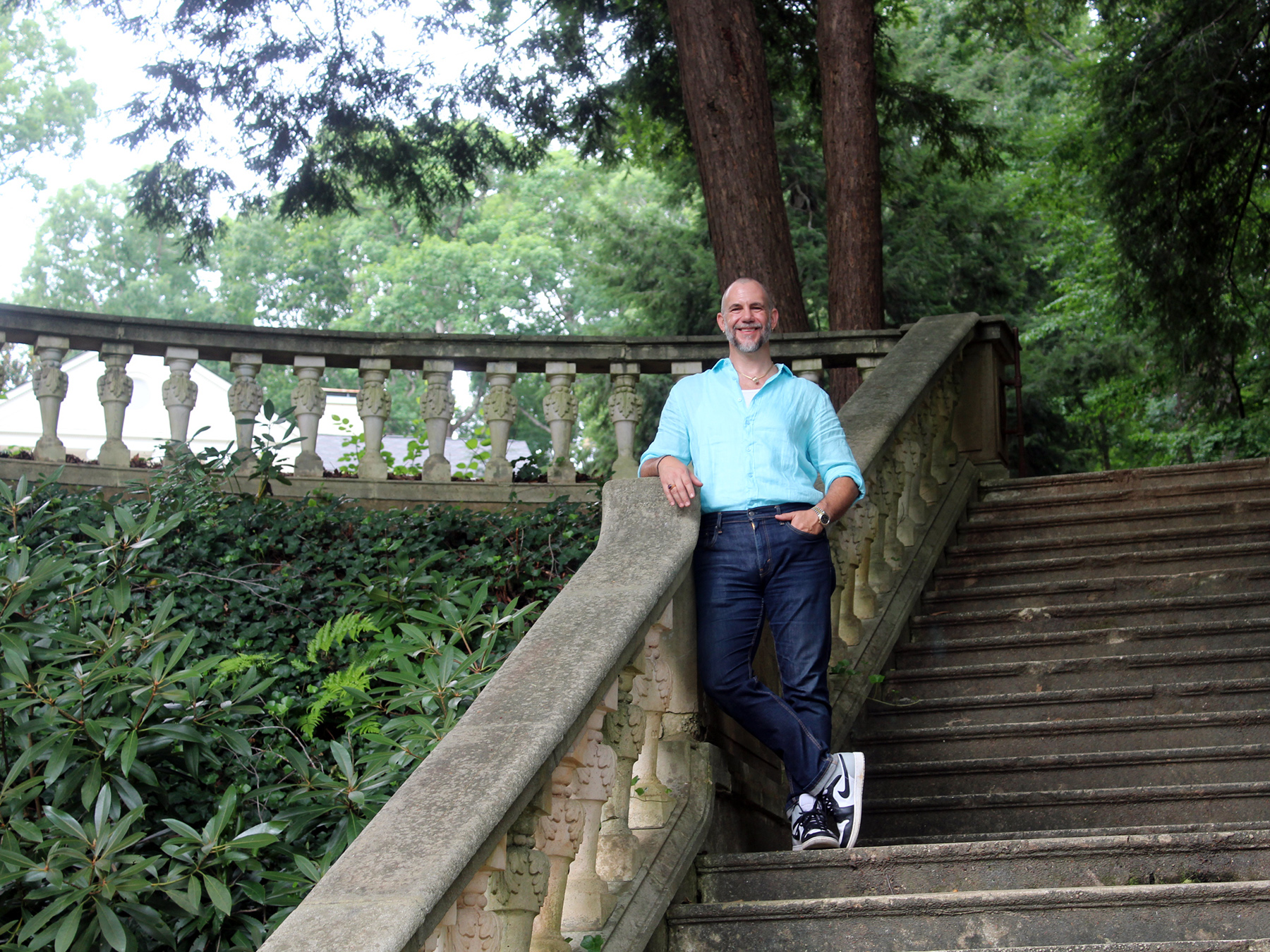
The Gardens continue to evolve, shaped by the people who care for them and the community that gathers here.
“We are honored to welcome Cator to our Board of Directors and look forward to the perspective, relationships, and passion he brings as we continue building a more inclusive and connected community,” says DeAnna Julian, Frazer Center CEO. “His stewardship of this historic property and dedication to preserving its purpose make him an invaluable addition to the future of Frazer Center.”
“This place has always been special to me,” says Sparks. “Now I get to be part of what comes next.”